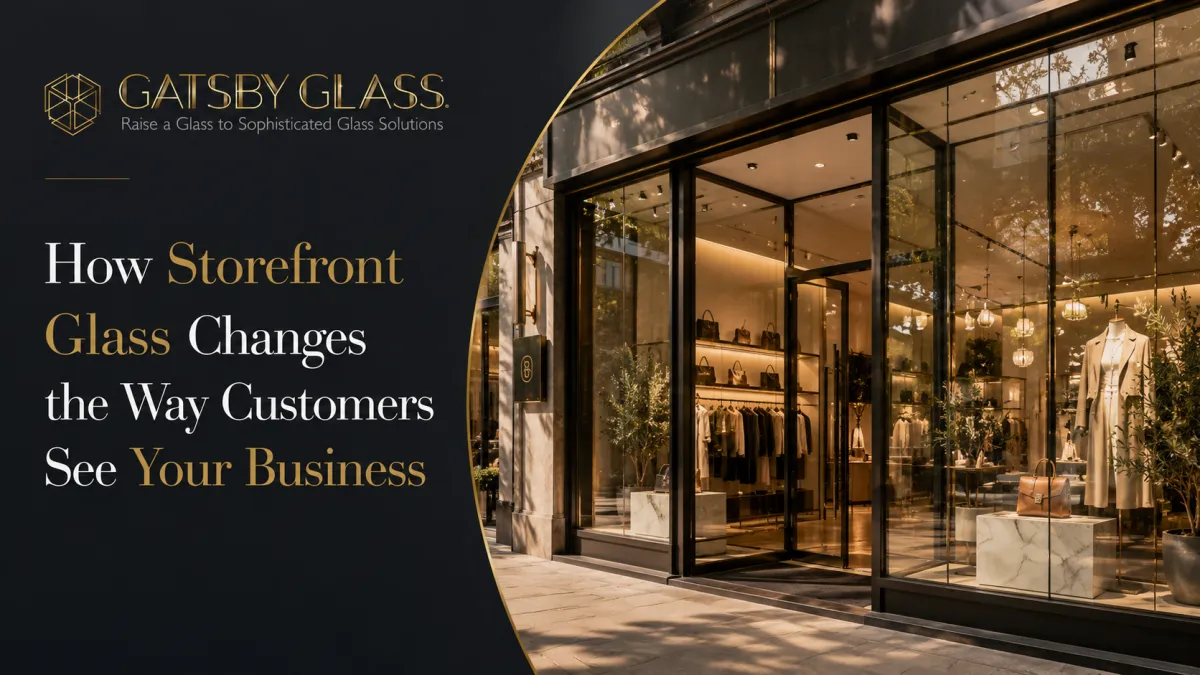
How Storefront Glass Changes the Way Customers See Your Business
Your storefront glass is the first thing every customer judges before they ever walk through your door. Here's how Charleston businesses are using commercial glass to attract more foot traffic, build trust, and compete at a higher level.
How Storefront Glass Changes the Way Customers See Your Business
Before a single customer reads your sign, hears about your reputation, or checks your Google reviews, they've already made a judgment about your business. It happens in the two or three seconds they spend walking past your front window, or deciding whether to stop and walk in at all.
That judgment is based almost entirely on what they see through your glass.
Storefront glass is one of those investments that business owners in Charleston consistently underestimate until they see the results of getting it right. It's not just a functional barrier between inside and outside. It's the single most visible element of your brand presence on the street, more immediate than your signage, more visceral than your website, more powerful than almost any marketing you can do once a potential customer is standing five feet from your front door.
For Charleston businesses, whether you're on King Street, in a strip center in Mount Pleasant, in a professional building in West Ashley, or in one of the emerging commercial corridors of the upper peninsula, commercial glass solutions done right can fundamentally change how many people walk through your door and how they feel about your business before they've interacted with a single member of your team.
This is the conversation that deserves more attention than it typically gets.
The Psychology of the Storefront: Why Glass Is a Trust Signal
There's something deeply human about transparency, in both the literal and figurative sense. When we can see inside a space before we enter it, our brains do something automatic and largely unconscious: we assess safety, quality, and social proof all at once.
A dark, opaque, or deteriorated storefront triggers hesitation. We don't know what's inside. We can't read the social environment of the space. Is it busy, is it professional, is it the kind of place that matches how we see ourselves? The uncertainty creates friction, and friction reduces foot traffic.
A clean, clear, well-lit storefront with quality glass does the opposite. It invites assessment. Passersby can see the interior, the merchandising, the activity, the other customers, and the staff. They can make a judgment about whether this is their kind of place. And when the interior looks good, and the glass itself is pristine and well-maintained, the implicit message is one of professionalism, quality, and attention to detail.
This is why retail designers and hospitality consultants spend so much time thinking about storefronts. The glass is doing psychological work before a single word is exchanged. And in a competitive commercial environment like Charleston's, particularly on King Street, where dozens of businesses compete for the same foot traffic within a few city blocks, that psychological work either helps you or hurts you. There's no neutral.
For businesses considering a storefront upgrade, exploring commercial glass solutions designed specifically for the Charleston market is the right starting point, because the coastal environment, the historic architecture, and the specific visual context of this city all affect what the right glass choice actually looks like for your property.
What Deteriorated Storefront Glass Is Actually Costing You
Let's be direct about something that business owners sometimes resist acknowledging: deteriorated, outdated, or poorly maintained storefront glass is actively costing you customers.
Scratched glass. Fogged insulated units with failed seals. Yellowed or stained frames. Silicone sealant that's cracked and pulling away from the frame. A door that doesn't hang quite right and requires a specific technique to open. These aren't minor cosmetic issues; they're signals. And the signals they send to potential customers walking past are about the standards your business operates at, whether you intend that or not.
People generalize from surface details to underlying quality in ways they're often not consciously aware of. A restaurant with a grimy front window creates an unconscious association with kitchen standards. A professional services firm with a deteriorated storefront creates doubt about the quality of its work. A retail boutique with scratched, hazy glass undermines the premium positioning of everything inside it.
The inverse is equally true. A business with clean, clear, properly installed storefront glass signals that the people running it pay attention to details, maintain their standards, and care about the impression they make. That signal extends to everything else the business does: the food, the legal advice, the merchandise, the service. The glass is a proxy for everything customers can't yet see.
The Charleston Commercial Context: What Makes This Market Specific
Understanding storefront glass for Charleston businesses requires understanding the specific commercial environment here, because it's genuinely distinctive in ways that matter for glass specification and design decisions.
The King Street Corridor
King Street is one of the premier retail streets in the American South, and it operates at a visual standard that reflects that status. The mix of historic commercial buildings, high-end national retailers, beloved local institutions, and ambitious new businesses creates an environment where the visual presentation of a storefront is subject to an unusually discerning audience. Tourists from across the country and internationally walk this street every day. Residents who shop here regularly have a sophisticated visual literacy about what looks good and what doesn't.
In this environment, storefront glass is not a commodity decision. The profile of the framing system, the clarity and quality of the glass, and the design of the entrance are noticed. They place your business visually in a category before anyone reads your sign.
The Upper Peninsula and New Commercial Development
The rapid commercial development happening along the Upper Peninsula, Morrison Drive, the Neck Area, and the emerging districts around Park Circle is creating a new generation of Charleston business environments where the architecture skews contemporary, and the tenant base is entrepreneurial and design-conscious. In these spaces, glass walls and partitions inside the business and bold, clean storefront glass outside it are the design language of the moment. Businesses that establish their visual identity strongly in these new corridors are positioning themselves for the long term as the neighborhoods around them continue to mature.
Historic District Commercial Properties
For businesses occupying ground-floor space in historic commercial buildings, the antebellum and Victorian-era structures that line much of King Street, Market Street, and East Bay Street, storefront glass comes with both opportunity and responsibility. These buildings were designed with large, generous glass frontages in the tradition of nineteenth-century commercial architecture, and restoring or respecting that design intention produces storefronts that feel authentically of a piece with the building's history while meeting modern performance standards for insulation, safety, and low maintenance.
Mismatched or inappropriate storefront systems on historic commercial buildings cheap aluminum frames with undersized glass, systems that don't respect the original opening proportions look visually jarring in ways that experienced Charleston shoppers and visitors notice intuitively, even if they can't articulate exactly why.
Storefront Glass Options: What Actually Makes a Difference
Not all commercial glass and framing systems are equal, and the differences between them are meaningful both aesthetically and functionally. Here's a practical overview of what to think about.
Glass Quality and Clarity
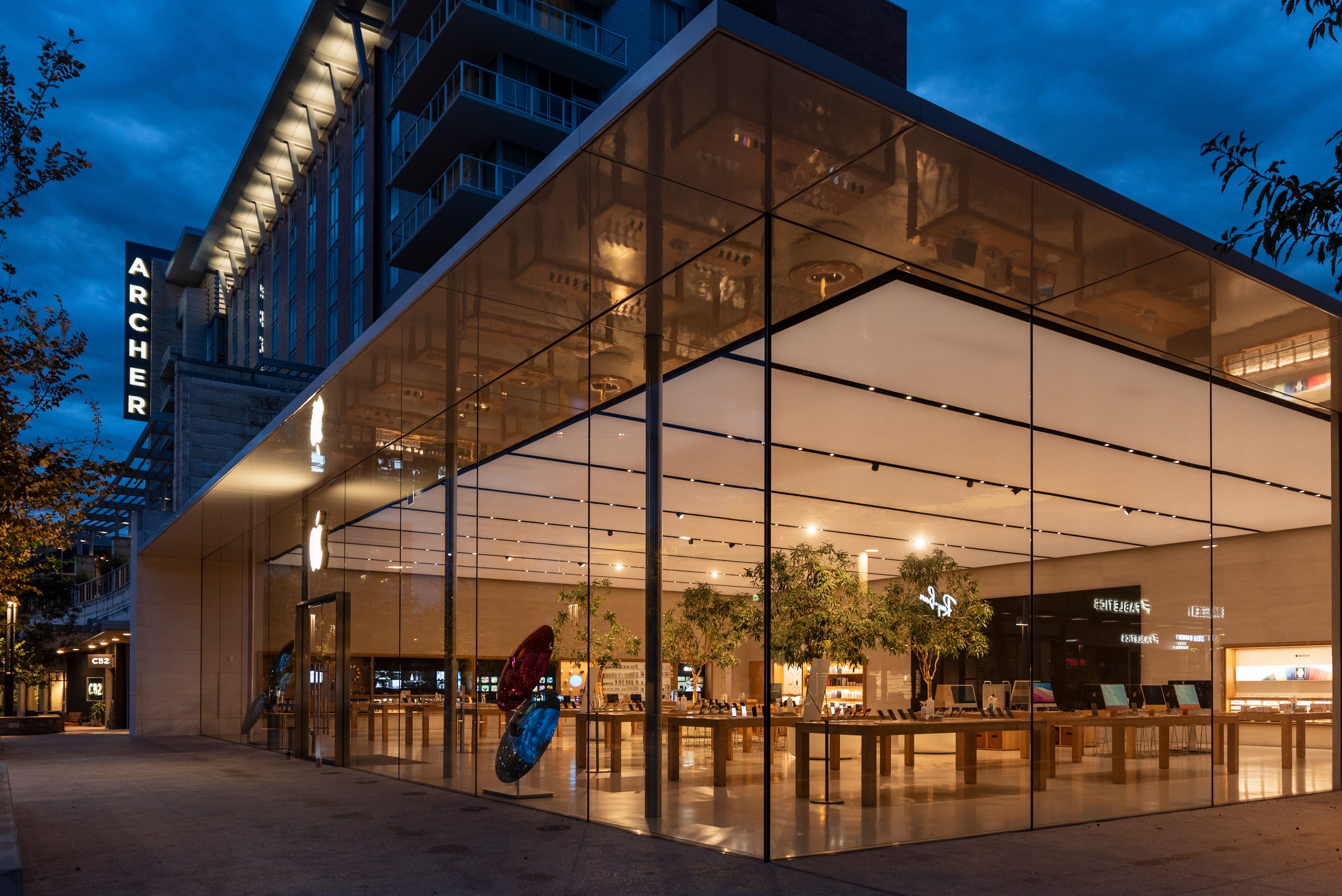
The most immediately visible quality difference in commercial glass is clarity. Standard float glass has a slight green tint from iron content in the manufacturing process. At the scale of a full storefront, this tint is clearly visible and gives the glass a slightly dated, flat appearance. Low-iron glass (sometimes called ultra-clear or starphire glass) eliminates this tint, producing a colorless, crystal-clear transparency that makes merchandise, interiors, and lighting look dramatically better through the glass.
For any business where the visual presentation of what's inside matters a boutique retail shop, a restaurant with a beautiful dining room, a gallery, or a showroom low-iron glass is worth serious consideration. The clarity difference is immediately visible side by side, and it elevates the perceived quality of everything it frames.
Insulated Glass Units for Energy Performance
Charleston's summers are long, hot, and expensive to cool. Single-pane storefront glass, still common in older commercial buildings, provides essentially no thermal barrier between the hot exterior and the conditioned interior. Insulated glass units (IGUs), double-pane systems with an argon-filled gap between the panes, dramatically reduce solar heat gain and the resulting cooling load on your HVAC system.
For businesses occupying south-or-west-facing storefronts that receive direct afternoon sun a genuinely brutal exposure in Charleston's summer months the energy savings from upgrading to insulated glass can be substantial and measurable. The upgrade pays for itself over time while making the interior more comfortable for customers and staff throughout the summer season.
Framing Systems: Aluminum vs. Structural Glazing
The framing system around your storefront glass shapes the overall visual character of the facade as much as the glass itself. Heavy aluminum frames with thick profiles, the standard commercial storefront system of the 1970s through 1990s, make glass openings feel smaller and create a visual heaviness that reads as dated in most contemporary commercial contexts.
Slimmer, more refined aluminum framing systems, or structural glazing approaches where the glass is bonded directly without visible framing, create much larger apparent glass openings and a contemporary, clean aesthetic that suits the direction most Charleston commercial districts are moving in. The difference in visual weight between a thick-frame legacy system and a slim contemporary system on an identical opening can be remarkable.
For businesses with distinctive interior design, restaurants, boutiques, design studios, and hospitality venues, the framing system is part of the design statement. It's worth treating it as such rather than defaulting to the most economical available option.
Entrance Systems: Doors, Handles, and First Contact
The entrance door is the single moment of physical contact between a customer and your storefront, and it registers more strongly than most business owners realize. A door that feels substantial, opens smoothly, and has quality hardware communicates competence and care. A door that sticks, rattles, or has worn hardware communicates the opposite.
All-glass entrance doors, frameless or with minimal hardware, have become a signature element of premium commercial storefronts precisely because they extend the visual language of openness and transparency right through to the point of entry. Paired with quality stainless steel hardware in marine-grade specification for Charleston's coastal environment, they're a genuinely long-term investment that continues to make the right impression for years.
Industry by Industry: How Storefront Glass Works Differently
Restaurants and Hospitality
The restaurant storefront has a specific and well-understood function in the dining decision process. Potential diners walking past are reading the interior, the lighting, the activity level, the aesthetic of the space, the apparent energy of the room, and making a judgment about whether this is where they want to spend the next two hours. A storefront that lets them clearly read all of that is doing active marketing work. A storefront that obscures it is actively working against the dining decision.
Charleston's restaurant scene, among the most competitive and design-conscious in the country, has embraced large, clear glass storefronts, retractable glass wall systems that open dining rooms entirely to the street, and glass-fronted wine displays visible from the sidewalk. These aren't purely aesthetic choices. Their hospitality strategy. The glass is part of the experience before the experience begins.
Combined with glass walls and partitions inside the dining room, separating bar from dining, private dining from main floor, kitchen from front of house, a restaurant's glass design can create a layered visual experience that starts on the sidewalk and continues throughout the meal.
Retail Boutiques
For retail, particularly the specialty and boutique retail that defines King Street's identity, the storefront is the first layer of merchandising. Window displays visible through clear, clean glass are the most powerful form of visual marketing a retail business has at street level. They stop people. They create desire. They communicate the brand aesthetic before a customer has touched a single product.
A boutique with a pristine, clear, well-lit glass storefront and a beautifully composed window display is doing active selling from the moment a potential customer comes into visual range. The same boutique with hazy, scratched, or poorly designed glass is losing sales to the business next door that took the storefront seriously.
Pairing an upgraded storefront with custom mirrors inside the retail space, full-length fitting room mirrors, decorative mirror walls, and mirrors positioned to multiply the apparent depth of the selling floor creates a cohesive glass design strategy where the investment in transparency and reflection supports the customer experience from the street all the way through the purchase.
Professional Services
Law firms, financial advisors, medical practices, architectural and design studios, and professional service businesses operate in a context where credibility is the primary currency and the physical environment is one of the signals clients use to assess it.
A professional services firm in a commercial building with quality storefront glass and a well-designed entrance makes a specific statement: this firm operates at a standard. The attention to the physical environment reflects the attention to client work. It's not a message that needs to be stated; it's communicated by the environment itself.
For professional service businesses considering a relocation or a ground-floor office renovation, commercial glass solutions that include quality storefront glass, a refined entrance system, and glass walls and partitions inside the office create a consistent design language that communicates professionalism from the street to the conference room. That consistency is noticed and remembered by clients.
Fitness Studios and Wellness Businesses
This is a category where storefront glass strategy has become genuinely sophisticated. The visibility principle works particularly powerfully for fitness studios. Potential members walking past and seeing an active, energetic, well-designed class environment through large glass windows experience a form of social proof and aspiration that no amount of signage can replicate.
Charleston's growing wellness and fitness scene yoga studios, cycling concepts, functional fitness gyms, and boutique studios have increasingly embraced this principle. Large glass storefronts that make the class environment visible from the street, glass-fronted reception areas that communicate the brand aesthetic clearly, and interior glass elements that make the space feel open and aspirational all contribute to conversion rates that pure marketing cannot achieve.
The Coastal Durability Conversation for Commercial Glass
Any commercial glass installation in Charleston needs to account for the coastal environment, especially for storefront glass, which is exterior-facing and exposed to salt air, high humidity, intense UV, and occasional storms year-round.
The same hardware specification principles that apply to residential coastal installations also apply to commercial installations: marine-grade 316 stainless steel for all hardware components, quality sealants appropriate for coastal UV and humidity exposure, and hydrophobic glass coatings that reduce salt residue accumulation and extend cleaning intervals.
For commercial properties, there's an additional consideration: impact-rated glass for hurricane exposure. Charleston sits in a hurricane-prone coastal zone, and commercial storefront glass is one of the most vulnerable elements of a building envelope during a significant wind event. Impact-rated glass, laminated safety glass that meets the wind load and impact requirements of South Carolina's coastal building codes, provides meaningful protection against storm damage while also meeting the safety requirements for commercial occupancies.
This isn't a nice-to-have in the Charleston market. For any new commercial glass installation or significant storefront upgrade, impact-rated glass should be part of the specification conversation from the beginning.
What a Storefront Glass Upgrade Actually Involves
For business owners who haven't been through a commercial glass replacement, it's worth demystifying what the process actually looks like, because it's typically faster and less disruptive than people expect.
A storefront glass consultation begins with a site visit to assess the existing system, understand the building structure, discuss design goals and budget parameters, and take measurements. The design phase produces options for framing systems, glass specifications, and entrance configurations that can be evaluated before any commitment is made.
Fabrication typically takes two to four weeks, depending on the specifications involved. Custom sizes, impact ratings, and special glass types require more lead time than stock components. Installation of a typical storefront glass system for a single-tenant commercial space is usually completed in one or two days, with minimal disruption to business operations. The work is largely exterior-facing and doesn't require access to the full interior of the space.
The result — a clean, clear, properly specified storefront that looks and performs exactly as designed is immediately visible to everyone who walks past your business. The transformation tends to be more dramatic than business owners anticipate, and the response from customers and passersby typically begins immediately.
Is It Time to Rethink Your Storefront?
If you've been running your business with the same storefront glass for five or more years in the Charleston coastal environment, it's worth taking a genuinely honest look at what that glass is communicating about your business. Walk across the street and look at your facade the way a potential customer who doesn't know you would look at it. Then walk past a competitor whose storefront is doing the job well and compare the two.
The conversation about upgrading your commercial glass is almost always worth having, because the investment is typically more accessible than business owners assume, the timeline is shorter than expected, and the impact on how customers perceive your business is immediate and measurable.
The team at Gatsby Glass of Charleston has worked with businesses across every commercial category in the Charleston market, including retail, hospitality, professional services, fitness, healthcare, and more. They understand the visual standards of this specific city, the technical requirements of the coastal environment, and the practical realities of commercial glass installation in occupied business spaces. Reach out to schedule your free commercial glass consultation and find out exactly what the right storefront glass would do for your business.
Gatsby Glass of Charleston serves businesses and homeowners across Charleston, Mount Pleasant, Summerville, West Ashley, James Island, Folly Beach, Isle of Palms, and surrounding South Carolina areas. Call (843) 350-5141 or visit gatsbyglasscharleston.com to schedule your free consultation.